DICG Interviews
In 2024, The Declaration of Istanbul Custodian Group (DICG) conducted a series of in-depth interviews with past and present leaders of the Declaration of Istanbul (DOI) to capture their experiences, perspectives, and the lessons learned over the years. These conversations highlight the personal journeys of leaders who have been instrumental in shaping the DOI, how they first became involved, and the enduring importance of this landmark initiative in promoting ethical practices in organ donation and transplantation worldwide. By sharing these reflections, the DICG underscores not only the ongoing relevance of the DOI but also the collective commitment of its leaders to uphold its principles and inspire the next generation of professionals in the field.
In this interview, Beatriz Domínguez-Gil and Georgina Irish delve into the critical challenges of understanding and quantifying the realities of illegal transplant tourism. They reflect on the importance of reliable data collection, the role of registries, and the lessons learned from past initiatives such as the ITOT survey. Beatriz highlights the work of the Council of Europe and the value of national focal points in strengthening oversight and coordination, while both emphasize the barriers that continue to impede accurate reporting and monitoring. Their discussion brings forward the urgent need to overcome these obstacles in order to create a clearer picture of the problem and to inform effective strategies for prevention and policy development.
-
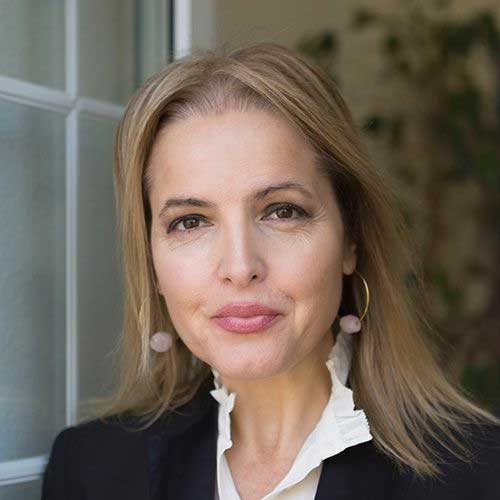
Beartriz Dominguez-Gil
Director General
Organización Nacional de Trasplantes (ONT)
Spain
X/Twitter
-
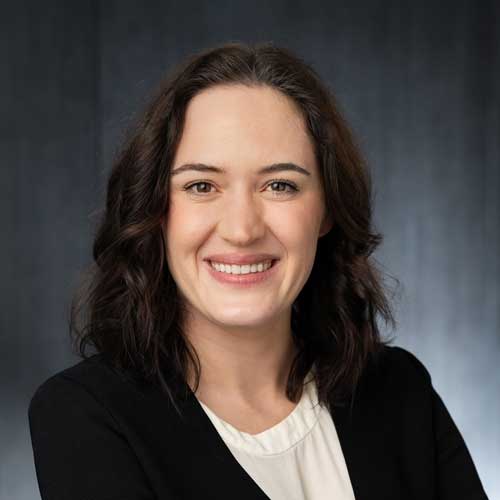
Georgina Irish
Joint Lead,
International Travel for Organ Transplantation Research Collaborative
Transplant Nephrologist,
Royal Adelaide Hospital
Australia
X/Twitter
In this conversation, DICG Council members Jolanta Malyszko and Rumeyza Kazancioglu reflect on their personal journeys into the field of transplantation and their evolving relationship with the Declaration of Istanbul Custodian Group.They share how their career trajectories led them to engage deeply with the ethical and clinical challenges of organ donation and transplantation. Their discussion explores the critical balance between living and deceased donation, the importance of ethical altruistic donation, and the realities faced in patient care and policy. They emphasize how the principles of the Declaration of Istanbul are not only a global framework but also a daily guide in their professional practice, shaping their commitment to ethical standards, protecting vulnerable patients, and advancing equitable access to transplantation worldwide. Both highlight the vital role of thorough checks and the oversight of ethics boards in ensuring that every transplantation is conducted transparently, responsibly, and in full alignment with the highest ethical standards.
-
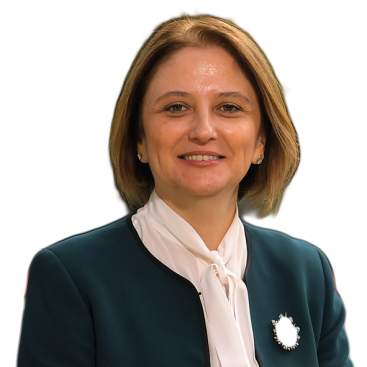
Rumeyza Kazancioglu
Professor of Nephrology
Bezmialem Vakıf University School of Medicine
Turkey
X/Twitter
-
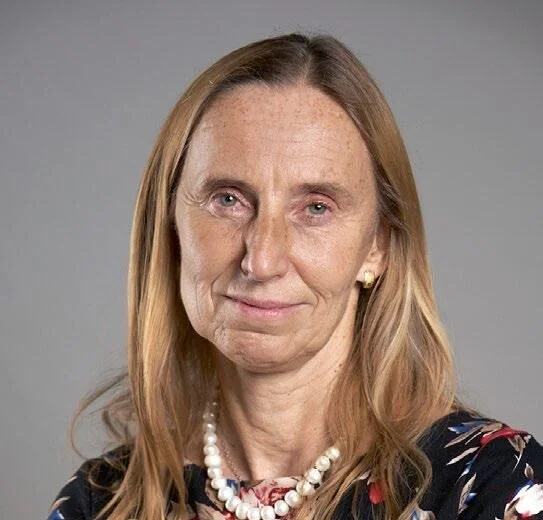
Jolanta Małyszko
Head of the Department of Nephrology, Dialysis, and Internal Medicine
Medical University of Warsaw
Poland
X/Twitter
In this interview, Anantharaman Vathsala shares her insights as a valued member of the Declaration of Istanbul Custodian Group (DICG), reflecting on her role in advancing the principles of the Declaration of Istanbul (DOI). She emphasizes the ongoing challenges in transplantation, noting that, unfortunately, practices such as exploitation of vulnerable individuals and organ vending still persist today. Anantharaman also discusses how the DICG has evolved over time, adapting its strategies to address emerging ethical and practical challenges in organ donation and transplantation. She highlights the critical importance of raising awareness about transplant tourism and the ethical dilemmas it presents, illustrating how the DOI continues to guide policy, protect patients, and promote ethical standards.
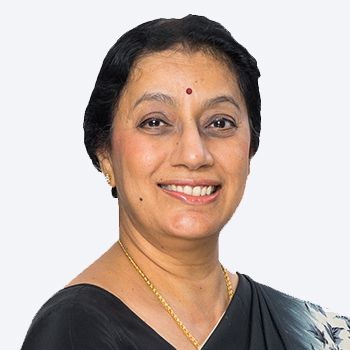
Anantharaman Vathsala
Acting Head, Department of Medicine
Yong Loo Lin School of Medicine
Singapore
In this interview, Debasish Banerjee and Vivekanand Jha explore the complex ethical landscape of transplantation, reflecting on the persistence of unethical practices. Drawing on their experience—including a period working together—they discuss historical challenges, transplant commercialism, the impacts of privatization, and the role of legislation in reducing commercial transplants in India, while noting the limits of enforcement. Vivek shares insights from his role in developing the original Declaration of Istanbul (DOI) in 2008, and Debasish reflects on his experiences in India and the UK, highlighting how international collaboration, including through WHO, reinforces the DOI principles. They emphasize the responsibility of clinicians in upholding ethics, advocating for patients, and ensuring transplantation remains safe and equitable, and underline the importance of vigilance, policy, and education in guiding global practice.
-
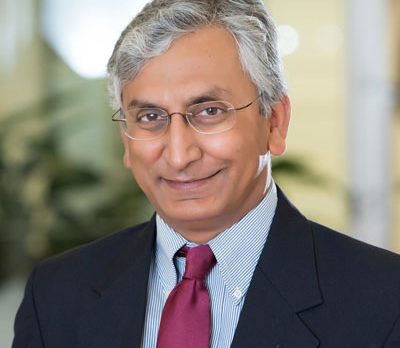
Vivek Jha
Executive Director
The George Institute for Global Health
India
X/Twitter
-
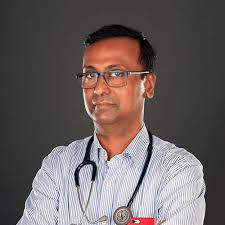
Debasish Banerjee
Consultant Nephrologist and Clinical Lead, Renal and Transplantation Unit
St George’s University Hospitals NHS Foundation Trust
United Kingdom
X/Twitter
In this interview, María Amalia Matamoros Ramírez speaks with Alejandro Niño Murcia about his experiences following his recent recognition award from The Transplantation Society (TTS). Alejandro reflects on his work with the Declaration of Istanbul Custodian Group (DICG), sharing insights into the challenges and successes of helping countries across Latin America develop transplantation legislation and establish ethical, effective transplant programs. He highlights the importance of collaboration, education, and advocacy in promoting patient safety, transparency, and adherence to international ethical standards, illustrating how the principles of the DOI guide practical efforts to strengthen transplantation systems throughout the region
This engaging conversation between Dr. Thomas Müller and Dr. Sanjay Nagral offers a thoughtful look at the ethical and global challenges in transplantation today. Through a dynamic exchange of perspectives, they reflect on progress made, persistent gaps, and the responsibilities of the transplant community. Candid, insightful, and forward-looking, the interview provides a compelling snapshot of where the field stands—and where it must go next.
This thoughtful conversation between Dr. Riadh Fadhill and Dr. Benita Padilla traces the evolution of ethical transplantation efforts across regions and over time. Through an engaging back-and-forth, they reflect on key milestones, ongoing challenges, and the impact of the Declaration of Istanbul, while also looking ahead to future priorities. Reflective, collaborative, and forward-focused, the discussion offers a clear window into how shared principles continue to guide progress in transplantation.
-

Riadh Fadil
Professor of Urology & Transplant Surgery
Director of Qatar Organ Donation Center Hamad Medical Corporation
Weill Cornell College of Medicine
Qatar
X/Twitter
-
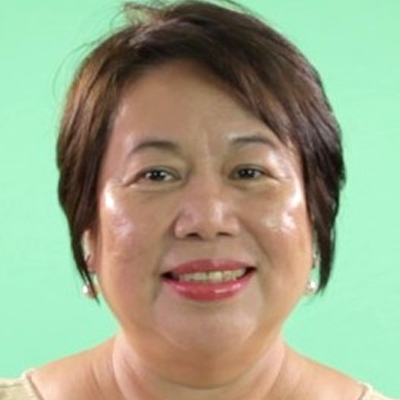
Benita Padilla
Nephrologist
National Kidney and Transplant Institute
Executive Committee
Declaration of Istanbul Custodian Group
Phillippines
This dynamic conversation between Dr. Mehmet Haberal and Dr. Nadey Hakim dives straight into the ethical realities of transplantation. With direct insights on transplant tourism, public trust, and responsible practice, the two experts offer a sharp, clear-eyed discussion on safeguarding the field’s integrity. It’s a concise but powerful exchange that underscores the ongoing need for strong ethical leadership in transplantation.
-
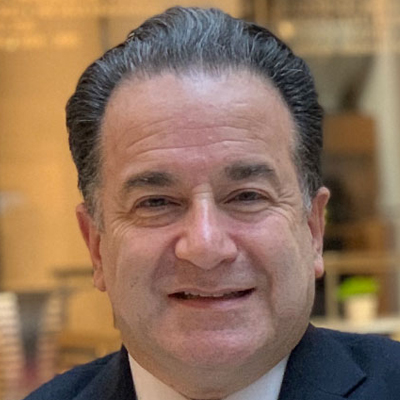
Nadey Hakim
International Relations Director, Cleveland Clinic London
Prof General Surgery, Lerner College of Medicine Cleveland Clinic
Chevalier de la Legion d’Honneur
President American College of Surgeons (UK)
President Elect The Transplantation Society TTS
Membre de l’Academie Nationale de Medecine
Membre de l’Academie Francaise de Chirurgie
Council Member, Declaration of Istanbul Custodian Group
United Kingdom
-
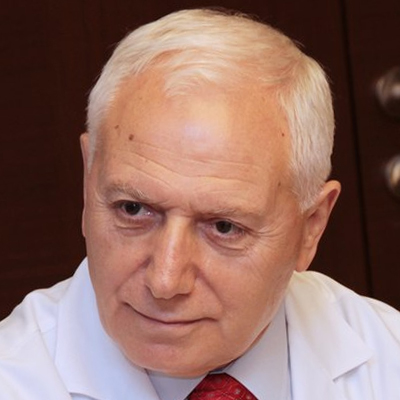
Mehmet Haberal
Founder & President, Başkent University
Chair, Division of Transplantation and Burns, Başkent University
Founder, Turkish Transplantation Society
Founder & former President, Middle East Society for Organ Transplantation
Past‑President, The Transplantation Society
Turkey
X/Twitter
This rich, historically grounded conversation between Professor Alexander Capron and Professor Jeremy Chapman traces the pivotal moments that shaped global transplant ethics over several decades. Moving between personal recollections and key policy milestones, the two offer a detailed, insider look at how international guidelines, collaborations, and early WHO efforts emerged and evolved. Their dialogue is energetic, story-driven, and full of nuanced context—an engaging recounting of how the field built its ethical frameworks and the leaders who helped define them.